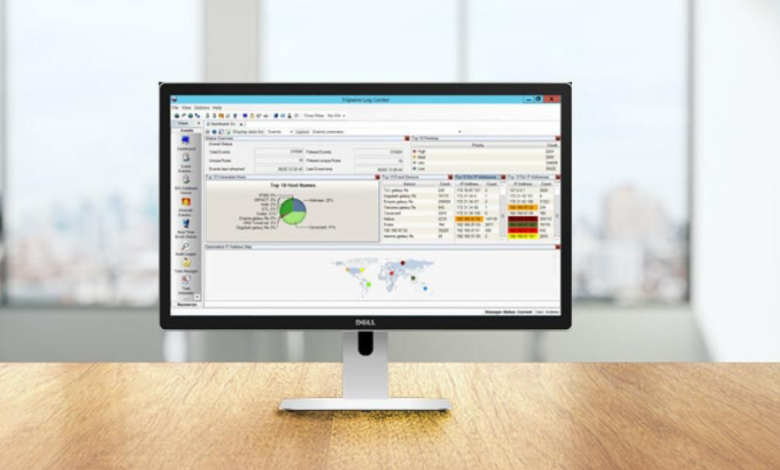
Ensuring stability in the digital environment is no longer a choice. An error seems to propagate through networks, slow apps, or create entry points for opponents. Log monitoring is the ideal solution to spot these problems beforehand. It gives teams visibility of system activity in real time, giving them the needed situational awareness to remain alert, and respond to the alerts that matter.
In Simple Terms What is Log Monitoring
Every system writes logs. Log an event, alert, update, and trigger warning. The raw data, however, is dirty and confusing.
That’s where log monitoring comes into the picture.
It continuously monitors these logs and removes the noise. Teams get the clear signals, not lines and lines of text. With this knowledge, they know what is going on inside their systems at any point in time.
Never Overlook Log Monitoring
Not logging is like leaving warning lights unattended.
With guesswork out of the question, modern systems move too quickly.
Log monitoring helps you:
- Spot issues early
- Track unusual behavior
- Maintain smooth performance
- Troubleshoot faster
Implementing just this one practice can stop your businesses from potential downtime and minimize security risk.
Log Monitoring Uncovered Hidden Clues
Logs can expose issues long before they become apparent.
- Sudden Error Surges
An increase in error messages could indicate failing code, a break in an update, or a misconfigured service.
- Strange Login Attempts
Repeated log these types of in from unfamiliar or remote places ought to include alerts.
Log monitoring lets these breadcrumbs be seen as soon as they are created.
- Slow System Performance
Logs usually show the reason when memory or CPU usage increases. When something changes, you can fix it before the general public even realizes it exists.
What Makes Log Monitoring Effective?
A log monitor should work in a constant, automated, and easily comprehensible manner.
A strong setup usually includes:
- Real-time alerts
- Support for multiple log sources
- Simple dashboards
- Clear filtering and search tools
The combination of these elements allows teams to respond in a timely, well-informed manner.
See also: AI and 3D Video Mapping: The Future of Projection Technology
The Different Teams and Their Usage of Log Monitoring
IT is not the only domain that benefits from log monitoring.
- DevOps
Leverage logs for deployment monitoring and server health.
- Security Teams
By monitoring unusual access, they recognize threats.
- Support Teams
Log insights allows them to resolve user issues much faster.
This is why log monitoring is essential for the entire organization.
Getting Started with Log Monitoring
You can begin in small steps:
- Select the most relevant logs.
- Get a tool which allows you to monitor in real time.
- Set alerts for high-risk events.
- Review log trends weekly.
Dealing with proactive log monitoring makes system management much more sure and secure once you allow it to be integrated along with your workflow.
Final Thoughts
Systems will always face challenges. Fortunately, log monitoring provides enough clarity to predict their move before they actuate it. That is a straightforward practice that results in better performance, safer operations, and reduced uncertainty − every day. It helps teams respond to issues before they grow into bigger problems when followed continuously. Tracking logs, in the long run, will become an integral part of a well-managed and sustainable digital landscape.